|
 |
 |
|
|
|
|
| |||||||||||||||||||||||||||||||||||||||||||||||||||||||||||||||||||||||||||||||||||||||||||||||||||||||||||||||||||||||||||||||||||||||||||||||||||||||||||||||||||||||||||||||||||||||||||||||||||||||||||||
|
|
|
You are in: Programmes: Crossing Continents | |||||||||||||||||||||||||||||||||||||||||||||||||||||||||||||||||||||||||||||||||||||||||||||||||||||||||||||||||||||||||||||||||||||||||||||||||||||||||||||||||||||||||||||||||||||||||||||||||||||||||||||||
|
|
|
 Thursday, 12 December, 2002, 11:22 GMT Thursday, 12 December, 2002, 11:22 GMT
Signs of change in Syria

The Syrian "old guard" still hold the high
ground If the bombing starts in Iraq, Syria will be in a
geographically pivotal position for the western forces. But the political
landscape at home is not entirely smooth.
There are significant differences between the regime of the young President Bashar al-Assad and his late father, Hafez al-Assad. While Syrians still do not enjoy freedom of expression, suppression is easing.
Damascus journalist Thabet Salem talks of the satirical television series that mocks the government. "This is really new," says Thabet. "They're trying to represent themselves as democracy-lovers, and this is different from the old days." Damascus Spring Those "old days" are still a strong memory for many. Hundreds of people were jailed for their politics during the rule of President Hafez al-Assad.
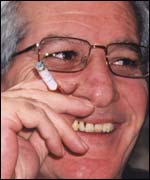
He released hundreds of prisoners, and thousands of Syrians attended political meetings and talked about change. This movement became known as the "Damascus Spring". But the spring thaw didn't last. There was a government crackdown. Ten prominent activists were arrested, including two MPs. 'Syria's Mandela' Riyadh Al-Turk was one of the 10.
He was arrested again in 2001, and has recently been released on humanitarian grounds. This veteran communist activist says President Bashar al-Assad has failed the Syrian people: "In his inaugural speech, the president promised to tolerate, and indeed invited, the opinion of others. "He did not keep his promise. The situation is that he is surrounded by the old guard who are dictating positions to him." 'Being watched' Riyadh Al-Turk has first-hand experience of the "old guard". He believes his every move is watched by Syria's security services. Even if the government is not listening on every street corner, the effect is the same. People are fearful.
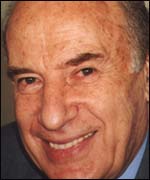
"Not a single person has been imprisoned for their political views, but only for illegal activities." As for those detained after the "Damascus Spring" it was "only those active in building illegal cells with the principle of calling for change by force", he says. What of the estimates by international human rights organisations of around 800 political prisoners in Syria? "It's not correct," he insists. "I'm sorry to say, the human rights groups are, in many cases, phoney." Despite the minister's hard line, many Syrians believe there is potential for change. But can and will President Assad deliver more? This is certainly a crucial time for the country on both the domestic and international stage.
Crossing Continents: Syria: A key to the Middle East Thursday 12 December 2002 on BBC Radio 4 at 1100 GMT The programme is repeated Monday 16 December 2002 on BBC Radio 4 at 2030 GMT |
|
See also:
 30 Oct 02 | Country
profiles
19 Mar 02 | Middle
East
09 Dec 02 | Middle
East
19 Nov 02 | Middle
East
09 Nov 02 | Middle
East
09 Oct 02 | Middle
East
Internet links:
The BBC is not responsible for the content of external internet sites Top Crossing Continents stories now:
Links to more Crossing Continents stories are at
the foot of the page. | |||||||||||||||||||||||||||||||||||||||||||||||||||||||||||||||||||||||||||||||||||||||||||||||||||||||||||||||||||||||||||||||||||||||||||||||||||||||||||||||||||||||||||||||||||||||||||||||||||||||||||||
|
|
|
 E-mail this story to a
friend E-mail this story to a
friend |
|
|
|
Links to more Crossing Continents stories |
|
|
| ||
 | ||||
 |
|
Back
to top
| ||
|
----------------------------------------------------------------------------------
To BBC Sport>> | To BBC Weather>> | To BBC World Service>> ---------------------------------------------------------------------------------- © MMII | News Sources | Privacy |